Planning A Yoga Retreat Part 2: The Practicalities
In October I hosted my fourth yoga retreat in stunning Mawgan Porth, North Cornwall. Despite an exceptionally wild weather forecast of gale force winds, the retreat turned out to be a beautiful weekend. So far, the experience of running retreats has shown me that most people are wonderfully kind, generous and understanding of one another. Which really makes this work all the more rewarding.
Last year, I wrote about the experience of planning long format classes to teach on retreat. While this is the most creative and nourishing part of the business of retreat planning, there’s also a whole lot more that’s going on behind the scenes to make these retreats run smoothly.
I hope to create an environment on retreat where guests can be completely at ease, feel well looked after and well fed too. This requires a certain amount of planning and organisation ahead of the trip and over the course of the stay too. Maybe this is a little dull but I’m here for the admin chat.
Finding a Venue
What makes an excellent retreat venue? The best venues in my experience are homely, comfortable and down to earth. I also want to keep these trips as affordable as possible for my students, which means exclusive and overly glamorous venues are not on the cards. Luckily, there are plenty of magical venues out there to fit the budget and retain the charm.
The location is obviously a draw card for a retreat, which is why we’ve been returning to Cornwall again and again. To me, being in Cornwall feels like holidaying in another country (but with no flight required!). As a wannabe surfer, I love hugging the coast and the chance to get in the water can really inform our yoga and meditation practices too. It’s one of those places that’s on everyone’s bucket list and Mawgan Porth in particular feels like a real hidden gem and well off the beaten tourist track.
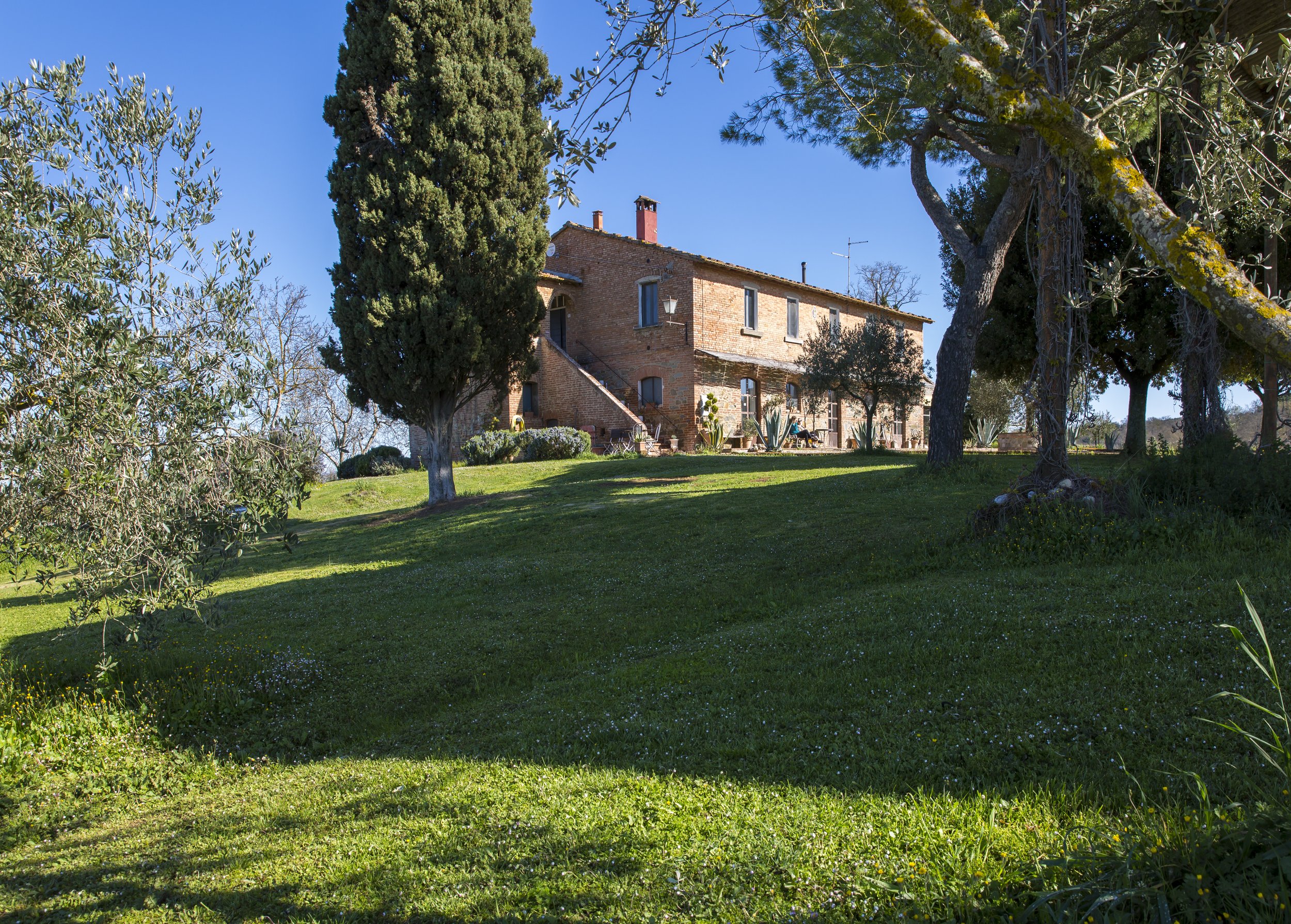
I have spent quite literally days browsing potential retreat venues in Europe and have a long shortlist of places (South of France, Portugal, Menorca?) we might like to retreat to in the future. However, for 2026 on recommendation from a friend, I decided to head to the stunning Siliano Alto for a slice of Italian sunshine - you can see a video of the venue here!
For my first retreat abroad, I wanted to keep things as simple as possible on the admin side. This means, I was looking for a venue that included a tasty local food offering and support around airport transfers and day trips in the region. After a call with the two female best-friend owners of the venue, I felt reassured by all their experience running retreats in the past and very very excited for our communal meals together.
I also fell in love with the venue. Rustic charm aplenty and situated in the most gorgeous rolling wilderness reserve. It’s a literal Italian dream. Meditation is built into the walls of the farmhouse and there are endless cosy corners for guests to integrate our practices and rest deeply. The pool is also spectacular for lazy afternoons in the sun.
With this help from a caring venue, I can spend the days leading up to the retreat planning all the teachings for our long practices together, rather than stressing about what’s on the menu.
Marketing
It sounds obvious, but the first step to running a retreat is communicating the vision with potential guests. I have a background in marketing and copywriting which has definitely helped in this department, although it didn’t prepare me for the emotional investment that comes into play when running your own business.
Before I share a retreat with the world I’ll brainstorm a description. This is obviously to make the trip inviting, but mainly to give an accurate expectation of what the retreat will actually be like. I try to be as detailed as possible, sharing daily schedules, the intensity of the practices and all the transport information you will need to make the journey as smooth as possible.
I’ll then choose photos that give a sense of being on retreat. For Cornwall, these are snaps that we’ve taken over the last three editions. For Italy, these are photos gratefully provided by the venue.
Once I’m happy with the content, I’ll upload all the essential info to my website, share to my email subscribers and post on Instagram. I’ll then share more images and stories from the venue over the following months, as well as telling absolutely everyone about it at the end of my classes. I can really feel like a broken record here, but it’s all worth it when the message gets out to someone that eventually ends up joining the retreat family.
For every retreat I’ve hosted, there’s been periods of serious doubt - will anyone want to join?!? Luckily, I have an incredibly supportive group of people around me to lean into when the doubt kicks in. And with time, trust and solid communication, each retreat has sold out so far. I’m so thankful to everyone that’s felt drawn to join one of my retreats. I know there are so many options out there so it means the world that you choose to practice with me.
A retreat is a big investment in both time and money. I know, when I’ve been on a retreat it’s something that I’ve spent a good few weeks or months thinking about before I take the plunge and commit. I’ve also never regretted signing up.
Hosting on Retreat
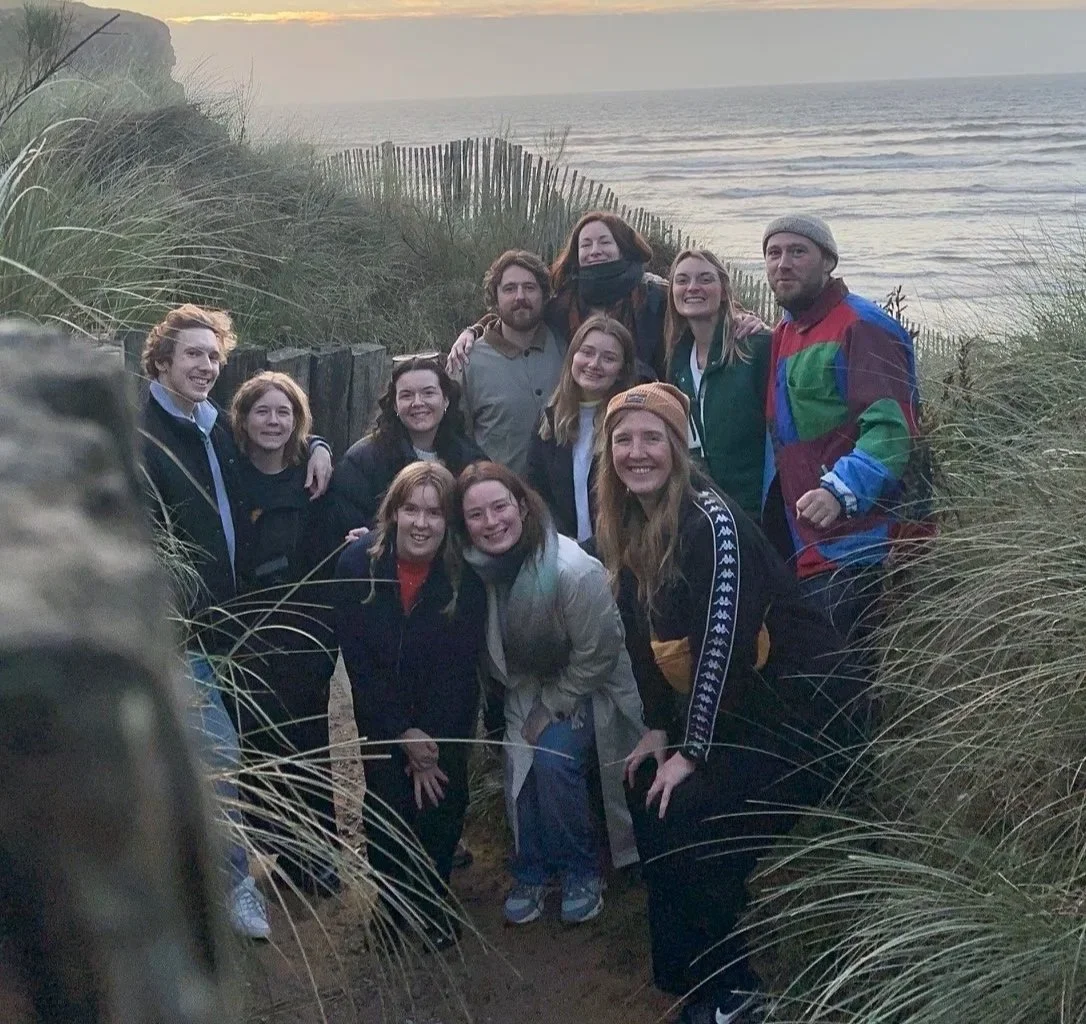
A retreat is as alive and emergent as the body itself. As much as you can plan for every eventuality, sometimes the unexpected comes knocking at the door. In October, this came in the form of Storm Amy and 50mph winds storming through our clifftop venue. This meant a shift to our planned two surf sessions, instead heading to a nearby sheltered outdoor spa and being open to changing our plans over the rest of the weekend based on daily surf reports.
This was a matter of open communication with guests, sharing messages and storm-proof travel info in the days leading up to the retreat as well as being clear and concise on our changeable plans over the weekend itself.
On retreat I am both hosting and sharing our daily practices - two very different skill sets. I’ve found it essential to have a thorough and clear plan of the themes and content I’m looking to share over the weekend in our yoga practices (although always a little space to add / adapt spontaneously as we go!) This means I have a whole lot more mental space to look after the hosting side of the experience, knowing that when we land in our practices I have an impactful sequence planned and the philosophical ground is steady beneath me.
A huge part of the retreat experience is our communal meals. It’s the talking point and the delicious fuel for our experience.
In Italy, we will be happily fed by Siliano Alto’s in-house chefs and gorgeous local produce. However in Cornwall, our food menu is developed, prepped and executed by my multi-talented friend Lisa. We lived together as students, eating solely fried eggs on toast and an occasional giant batch of veggie curry. It feels like a beautiful evolution at this stage of our lives to now be working together to offer such a wholesome and nourishing experience for retreat guests like you.
Our menu planning will start in the months before the retreat and Lisa will do much of the food prep (home baked granola, dahls, slow cooked beans and more) before the retreat. On retreat, Lisa’s incredibly thorough document lists prepping and cooking times, recipe details and allergy information. It’s a tightly run ship and I’m so thankful for the hours and mental bandwidth she gives to the process. Feeding a group of 13 is no small task, especially with the plethora of tasty dips, sides and homemade seedy sprinkles she offers.
Our aim as hosts is to make all this work behind the scenes seem as effortless as possible, so that our guests can enjoy being looked after without worrying about doing the washing up!
-
Are you thinking about joining a retreat in 2026? I have just a handful of places left to join a 5 night immersion in Italy or a weekend of yoga and surf in Cornwall. Fill out the form here to reserve your room.